


More and more professions require a person to stay in one position for a long time during the working day.This negatively affects the whole body - in the reproductive age, stagnation of venous blood leads to pathologies such as varicose veins of the pelvic organs in women.
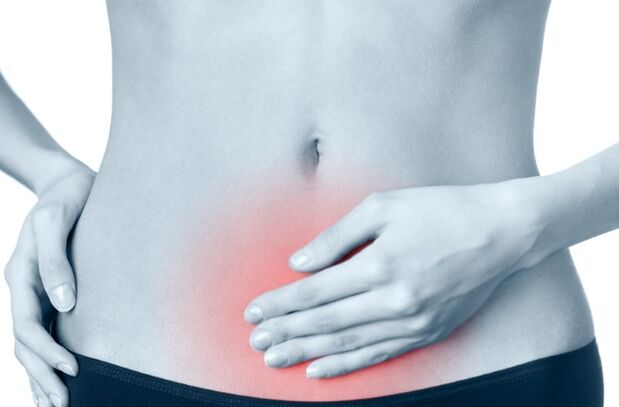
According to medical statistics, more than 35-45% of representatives of the beautiful part of the population suffer from the lower abdomen, which is precisely caused by varicose vascular structures.If treatment is not started in time, serious consequences may occur, such as venous thrombosis and bleeding.
Classification
Experts adhere to the following classification of varicose veins - enlargement of the pelvic veins:
- By localization– in the venous structures of the perineum and external genitalia or venous stasis of the internal organs of the pelvis: in most cases, both forms of pathological damage to the veins are identified as provoking the appearance of each other.
- Depending on the underlying cause of the formation:the primary variant of varicose veins, which is caused by the inappropriate activity of the valves of the venous structures, or developed as a complication of other pathologies in the pelvic area - the secondary variant of varicose veins.
- Depending on the severity of the pathological changes- the measure of the calculation is the diameter width of the affected vessel, as well as the localization of the pathological focus: from the first to the third degree, with a vessel diameter exceeding 10 mm.
The first two stages of varicose veins of the pelvic vessels can be treated with venotonics, nutritional adjustment and the development of gymnastics therapy complexes.A more severe course requires other measures: embolization of large veins or venectomy.
Causes and risk groups of the disease
Experts point to both common causes of pelvic varicose veins in men and women, such as excessive physical exertion, physical inactivity, negative hereditary predisposition, and gender bias.
In men, varicose veins of the pelvic veins occur more often due to the following reasons:
- uncorrected diet that tends to constipation;
- work activities that take place in a seated position, such as at a computer screen;
- congenital weakness of the venous wall;
- the presence of sexual dysfunction;
- inflammatory damage to the internal organs of the pelvis, for example hemorrhoids, prostatitis.
The main causes of pelvic varicosities in women are:
- history of frequent childbirth;
- gynecological inflammatory pathologies;
- the use of incomplete sexual intercourse as a contraceptive method;
- lack of orgasm during sex;
- long-term compression of blood vessels by tumor formation, such as uterine fibroids.
Based on the above reasons, the experts created risk groups for the disease:
- women with multiple parents;
- persons leading a sedentary lifestyle;
- chronic inflammatory pathologies in the pelvic area;
- who have undergone surgery on the internal organs of the pelvis.
Up to 90% of identified pathological cases are the result of pelvic varicose veins during pregnancy.
Symptoms
A person may not even suspect that they have varicose veins in the pelvic area until they begin to be bothered by unexplained pain impulses in the lower abdomen, without any visible prerequisites.

Pain associated with varicose veins of the small pelvis can be combined with other symptoms:
- premenstrual syndrome, which is difficult for women;
- significantly increased sensitivity in the vagina or perineum;
- abundant pathological discharge;
- discomfort accompanying urination;
- the occurrence of significant discomfort when remaining in a static position for a long time.
Every person is unique, therefore internal varicose veins of the pelvis can only be manifested by one or a combination of the above symptoms.
In advanced, severe cases, varicose veins can be visually noticed on the inner thighs, in the area of the anus.Therefore, experts call for timely treatment of the pathology.Many women experience discomfort after childbirth.
The risk of varicose veins during pregnancy
In addition to the great joy, the period of childbirth can also cause unpleasant feelings for the woman.During this period, various pathologies may worsen or develop, for example, pelvic varicose veins during pregnancy.
If detected late, uterine varices can have serious consequences and pose a direct threat to the baby and its normal development.Undernutrition of the placenta, caused by obstructed venous outflow, causes intrauterine fetal hypoxia: this is a rather serious complication of pregnancy.
The most serious complication is, of course, detachment of the placenta and spontaneous termination of pregnancy.In order to avoid this, a comprehensive diagnostic examination must be performed in advance at the stage of pregnancy planning.Find out in advance which doctor will treat the pathology, how the delivery will take place, and what consequences the varicose veins will have for the unborn baby.
Diagnostics
Thanks to modern diagnostic techniques, it is now possible to identify the pathology in the early stages of its development.
Basic diagnostic methods:
- Ultrasound is used for a complete examination of the uterus and appendages;
- we look at the characteristics of local blood circulation in the vascular structures of the pelvis with the help of Dopplerography;
- Transuterine venography is used to fully visualize the area of the formed thrombus.

In particularly severe cases, a full diagnosis is impossible without laparoscopy.
Management tactics
A vascular surgeon or phlebologist decides the method of treating pelvic varicose veins strictly individually in each case.
If negative changes are detected in the first-degree vascular structures, conservative therapeutic methods can be used:
- buy compression clothing that corrects vascular tone;
- adjust your diet - avoid a tendency to constipation, for example, you can drink kefir every night;
- do special exercises for pelvic varicose veins;
- set work and rest hours;
- give up existing negative habits;
- avoid constipation;
- try to visit the gym and swimming pool 2-3 times a week.
All of the above measures not only improve the trophism of the organs and normalize the tone of the veins, but also prevent further venous congestion.They can serve as a guide in the prevention of pathology.
Drug therapy is recommended by a specialist only during the period of exacerbation of the pathology.The main drugs for pelvic varicose veins are venotonics, which significantly reduce the intensity of pain impulses and alleviate other unpleasant symptoms.
In pharmacy chains, you can buy suppositories, tablets or ointments to get rid of varicose veins.Modern drugs: Venarus, Detralex, Phlebodia, Troexerutin vramed, Phlebodia 600. It is recommended to entrust the selection of the optimal remedy to a specialist.
Special exercises for pelvic varicose veins have proven to be excellent - they promote the complete outflow of stagnant venous blood from damaged, dilated veins.

The question of surgical treatment is decided strictly individually
Basic myths about varicose veins
Varicose veins develop only on the legs,- this is far from true.The entire human body is penetrated by arteries and veins, therefore pathological changes can affect any area of the body, even the pelvic organs.
Another misconception is that varicose veins can be eliminated immediately.And this is a wrong opinion - the pathology did not develop in one day, and therapeutic measures take time.It is worth being patient and following the recommendations of specialists.
Varicose veins in women should be treated by a gynecologist.No way - only a phlebologist deals with all vascular changes.
Self-medication is absolutely prohibited - the risk of serious complications, including venous thrombosis and death, is very high.Varicose veins of the venous structures of the pelvis can be detected in a person at any age;it cannot be considered a disease reserved for the elderly.Timely identification and elimination of discomfort is possible only through close interaction between the patient and the specialist.